
Slow Drains Throughout the House: What It Means and Why It’s Serious
A single slow drain in a bathroom sink might seem minor. But when multiple drains throughout your home start slowing down at the same time, that’s a very different situation.
If your sinks, showers, tubs, and toilets are all draining sluggishly, you may be dealing with a deeper plumbing issue — often in the main sewer line.
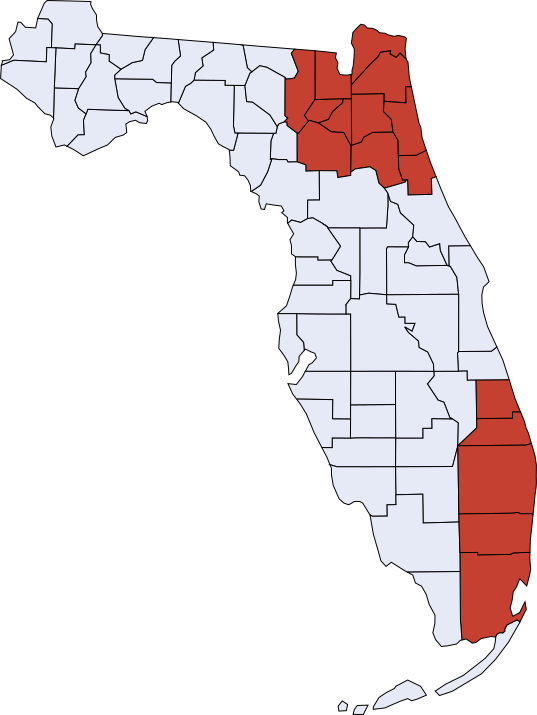
At Snyder Air Conditioning, Plumbing & Electric, we help homeowners across North and South Florida diagnose and resolve whole-home drain problems before they turn into messy backups and costly repairs.
Here’s what slow drains throughout the house really mean — and why you shouldn’t ignore them.
What Does It Mean When All Drains Are Slow?
When multiple drains slow down at once, the problem usually isn’t in individual fixtures.
Instead, it often indicates a blockage or restriction in:
- The main sewer line
- The home’s primary drain stack
- The pipe connecting your home to the municipal sewer
- Your septic system (if applicable)
Cause and effect:
Main line obstruction → wastewater flow restricted → multiple fixtures drain slowly.
This is much more serious than a simple hair clog.
Why This Problem Is Especially Common in Florida
Florida homes face several unique plumbing challenges:
- Heavy rainfall and flooding
- Sandy soil movement
- Tree root intrusion
- Aging cast iron sewer lines
- High mineral (hard) water buildup
Storm season and saturated soil can shift underground pipes, creating dips where debris collects.
Older neighborhoods in North Florida often have cast iron sewer lines that corrode internally over time, narrowing the pipe diameter.
Warning Signs of a Main Sewer Line Problem
If multiple drains are slow, watch for these additional signs:
- Gurgling sounds from toilets
- Water backing up into tubs or showers
- Sewage odors indoors or outside
- Toilet water rising unexpectedly
- Bubbling in sink drains when flushing
These are strong indicators of a developing sewer blockage.
If you notice sewage smells or backup, call Snyder Air Conditioning, Plumbing & Electric immediately for professional inspection.
The Most Common Causes of Whole-Home Drain Problems
1. Tree Root Intrusion
Tree roots are a leading cause of sewer line blockages in Florida.
Roots seek moisture and can enter small cracks in underground pipes. Once inside, they expand and trap debris.
Over time, this creates:
- Severe blockages
- Pipe cracks
- Complete line collapse
Homes with mature landscaping are especially vulnerable.
2. Grease and Debris Buildup
Kitchen grease may seem harmless when rinsed down the drain, but it solidifies inside pipes.
Over months or years, grease combines with:
- Soap residue
- Food particles
- Mineral scale
This narrows the main line and slows drainage throughout the home.
3. Cast Iron Pipe Corrosion
Many older Florida homes have cast iron sewer lines.
Over time, these pipes:
- Rust internally
- Flake and scale
- Develop rough interior surfaces
Debris catches on these rough spots, restricting flow.
In advanced cases, pipes may collapse.
4. Pipe Bellies (Sagging Lines)
Florida’s sandy soil and heavy rains can cause underground pipes to shift.
When a section sags, it creates a low spot where wastewater collects instead of flowing smoothly.
This leads to:
- Recurring clogs
- Slow drainage
- Frequent backups
A camera inspection is usually required to diagnose this issue.
5. Septic System Problems
For homes with septic systems, slow drains throughout the house may indicate:
- A full septic tank
- Drain field saturation
- System failure
Heavy rainfall during hurricane season can overwhelm septic drain fields.
Why You Shouldn’t Use Chemical Drain Cleaners
When multiple drains are slow, chemical cleaners are not a solution.
They:
- Don’t reach deep sewer clogs effectively
- Can damage pipes
- May worsen corrosion in older systems
Professional equipment is required to safely clear main line blockages.
How Professionals Diagnose the Problem
At Snyder Air Conditioning, Plumbing & Electric, diagnosing whole-home drainage issues typically involves:
Step 1: Drain Assessment
Technicians evaluate symptoms and fixture behavior.
Step 2: Camera Inspection
A waterproof camera is inserted into the sewer line to locate:
- Roots
- Collapses
- Corrosion
- Blockages
Step 3: Targeted Cleaning or Repair
Depending on findings, solutions may include:
- Drain snaking
- Hydro jetting
- Spot pipe repair
- Sewer line replacement
This approach avoids guesswork and unnecessary digging.
Hydro Jetting: A Long-Term Solution
Hydro jetting uses high-pressure water to clean the interior walls of sewer pipes.
It effectively removes:
- Grease buildup
- Mineral scale
- Root intrusion
- Debris accumulation
Unlike snaking, which punches a hole through a clog, hydro jetting restores full pipe diameter.
This is especially beneficial in Florida homes with hard water scale.
A Realistic Florida Scenario
A homeowner in Jacksonville notices:
- Bathroom sink draining slowly
- Kitchen sink gurgling
- Toilet water rising slightly
They assume it’s separate issues — until sewage backs up into the shower.
Inspection reveals heavy root intrusion in the main sewer line.
Early camera inspection and hydro jetting could have prevented the backup and flooring damage.
When Is Sewer Line Replacement Necessary?
Repair may not be enough if:
- Pipes are severely corroded
- Sections have collapsed
- Repeated blockages occur
- The line is beyond repair
Modern sewer replacement methods can sometimes minimize yard disruption.
Our technicians provide clear explanations and upfront pricing before any work begins.
Preventing Whole-Home Drain Issues
Homeowners can reduce risk by:
- Avoiding grease disposal down drains
- Scheduling periodic sewer inspections
- Installing root barriers where needed
- Flushing water heaters to reduce mineral scale
- Being cautious with “flushable” wipes
Routine maintenance is far less expensive than emergency repairs.
Frequently Asked Questions About Slow Drains
Is it an emergency if all drains are slow?
It can become one quickly. Sewer backups can cause water damage and health hazards.
How often should sewer lines be inspected?
Older homes should consider inspection every few years.
Does homeowner’s insurance cover sewer line repairs?
Coverage varies by policy. It’s best to verify directly with your provider.
Can heavy rain affect sewer lines?
Yes. Saturated soil and flooding can worsen underlying pipe issues.
Why Florida Homeowners Trust Snyder
Snyder Air Conditioning, Plumbing & Electric has served North and South Florida homeowners since 1973.
We understand:
- Florida soil movement challenges
- Cast iron sewer line deterioration
- Storm-related plumbing stress
- Hard water mineral buildup
Homeowners choose Snyder because we offer:
- Licensed and insured plumbing professionals
- Same-day service availability
- 24/7 emergency support
- 100% Satisfaction Guarantee
- Upfront, honest pricing
We don’t just clear drains — we protect your entire plumbing system.
Don’t Ignore Slow Drains Throughout the House
When multiple drains are slow, it’s rarely a coincidence.
Addressing the issue early prevents sewage backups, flooring damage, and expensive repairs.
Call Snyder Air Conditioning, Plumbing & Electric today to schedule professional sewer inspection and drain cleaning in North or South Florida.
Need plumbing help fast? Contact Snyder now — same-day service available.
At Snyder, we believe home comfort shouldn’t be complicated. Let our experienced Florida team restore safe, reliable drainage to your home.