
Florida homeowners have always relied on air conditioning, but the role AC systems play in daily comfort has changed dramatically over the past decade. Summers are lasting longer, heat waves are arriving earlier and lingering later, and overnight temperatures are staying higher than they used to. As a result, air conditioners across Florida are running longer hours with less downtime — often under conditions they were never originally designed to handle.
Heading into 2026, many homeowners are discovering that systems which once “got by” are now struggling to keep up. Cooling equipment is under more strain, energy bills are rising, and breakdowns are happening at the worst possible times — during extreme heat.
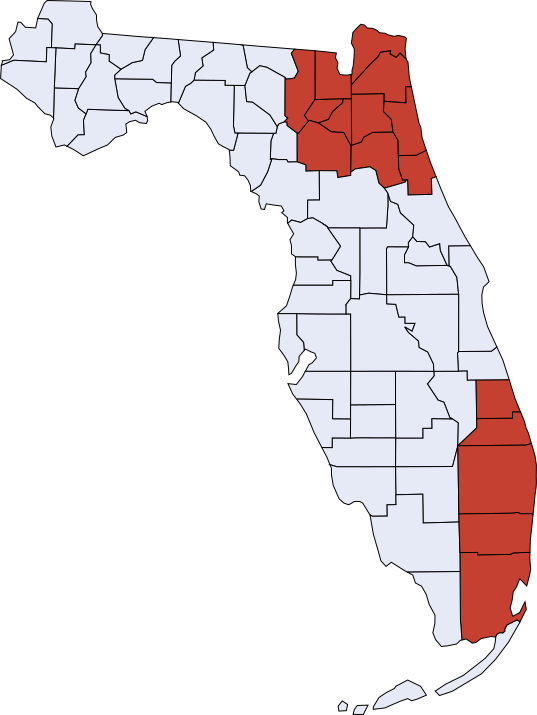
Snyder Air Conditioning, Plumbing & Electric has spent decades helping Florida homeowners prepare their systems for the realities of this climate. From older homes in Riverside and San Marco to newer neighborhoods in St. Johns, Orange Park, and Southside, we see the same issues every summer: warning signs that were easy to overlook become urgent problems when temperatures peak.
Preparing your AC system now — before the hottest days arrive — can help prevent breakdowns, reduce energy costs, and protect your comfort when you need it most. This guide explains why longer, hotter summers strain air conditioning systems, how to recognize early warning signs, and what practical steps Florida homeowners can take to get their AC systems truly summer-ready.
Why Longer, Hotter Summers Are Pushing AC Systems to Their Limits
Air conditioners don’t generate cool air — they remove heat and moisture from inside your home and release it outdoors. That process becomes far more demanding when outdoor temperatures remain high for extended periods.
In Florida’s climate, prolonged heat causes AC systems to:
- Run for longer cooling cycles with fewer rest periods
- Work continuously to remove excess humidity
- Draw more electricity during peak utility demand hours
- Experience accelerated wear on compressors, motors, and electrical components
In Northeast Florida, high humidity often persists well into the evening, meaning systems rarely get a chance to shut down completely overnight. This nonstop operation increases internal temperatures inside the equipment itself, shortening component lifespan and reducing efficiency over time.
Many homeowners assume AC systems fail suddenly, but most breakdowns are the result of prolonged stress that went unnoticed or unaddressed.
How Extreme Heat Quietly Reduces AC Efficiency
One of the most frustrating experiences for Florida homeowners is when an AC system is technically “working,” but comfort still suffers.
As outdoor temperatures climb:
- Heat transfer becomes less efficient
- Systems take longer to cool indoor air
- Moisture removal becomes more difficult
- Energy usage increases to maintain the same thermostat setting
This is why homes may feel warmer or more humid even when the thermostat hasn’t changed. The system may be running continuously, but it’s no longer operating efficiently enough to keep up with demand.
Over time, this inefficiency compounds, leading to higher energy bills and increasing wear on key components.
Early Warning Signs Your AC Is Struggling
Most air conditioning systems provide clear warning signs before a complete failure occurs. Recognizing these symptoms early allows homeowners to address issues before extreme heat makes them worse.
Longer Run Times With Minimal Cooling
If your AC seems to run constantly without reaching your desired temperature, the system may be losing efficiency. Dirty coils, airflow restrictions, refrigerant issues, or thermostat calibration problems often appear first during extended heat.
Uneven Cooling From Room to Room
Hot bedrooms, warm upstairs areas, or rooms that never feel comfortable often point to airflow or ductwork problems. Older homes in neighborhoods like Riverside, Arlington, or San Marco are especially prone to duct issues that worsen as systems run longer.
Rising Energy Bills Without Lifestyle Changes
A steady increase in energy costs is one of the most reliable indicators that an AC system is under strain. When a system works harder to achieve the same results, energy usage rises — even if household habits stay the same.
Persistent Indoor Humidity
In a properly functioning system, Florida homes should feel cool and dry. If your home feels sticky or damp, your AC may not be removing moisture effectively. Excess humidity can make indoor temperatures feel warmer and contribute to musty odors or mold concerns.
Strange Noises or Short Cycling
Buzzing, rattling, clicking, or frequent on-and-off cycling often indicate electrical wear or failing components. These problems rarely improve on their own and tend to worsen under prolonged heat stress.
Practical Steps to Prepare Your AC for Florida’s 2026 Summer
Preparing your AC system for summer requires a holistic approach that focuses on airflow, efficiency, and system health.
Replace Air Filters More Frequently
Florida’s pollen, dust, and humidity cause filters to clog faster than in many other parts of the country.
Most Florida homes should:
- Replace standard filters every 30–60 days
- Replace high-efficiency filters every 60–90 days
- Change filters more often in homes with pets or allergy concerns
Dirty filters restrict airflow, forcing your system to work harder while delivering less cooling. Over time, this additional strain can shorten equipment lifespan and degrade indoor air quality.
Inspect and Seal Ductwork
Ductwork is one of the most overlooked contributors to cooling problems in Florida homes.
Common duct issues include:
- Loose or disconnected sections in attic spaces
- Crushed or kinked ducts restricting airflow
- Leaks around joints or registers
- Deteriorated insulation exposed to extreme attic heat
When cooled air escapes into the attic instead of reaching your living spaces, your AC must run longer to compensate. Professional duct inspections can uncover hidden issues that DIY checks often miss.
Fine-Tune Thermostat Settings
Thermostat habits have a major impact on system workload and efficiency.
Effective cooling strategies include:
- Avoiding drastic temperature changes that force constant cycling
- Allowing slightly higher temperatures when the home is unoccupied
- Using programmable or smart thermostats to maintain consistent schedules
Smart thermostats are especially beneficial in Florida because they support longer, steadier cooling cycles that improve humidity control and reduce unnecessary energy use.
Schedule Preventive AC Maintenance Early
Professional maintenance is one of the most effective ways to protect your AC system before summer begins.
During a maintenance visit, technicians typically:
- Clean condenser and evaporator coils
- Check refrigerant levels and system pressures
- Inspect capacitors, contactors, and electrical connections
- Clear condensate drain lines to prevent water damage
- Test airflow and overall system performance
These steps allow small problems to be addressed early — before they escalate into major failures during extreme heat.
Additional Considerations for Coastal and River-Adjacent Homes
Homes near Florida’s coastlines and waterways face unique challenges due to salt air and moisture exposure.
Salt-laden air can:
- Accelerate corrosion on outdoor condenser coils
- Damage electrical connections
- Reduce system efficiency
- Shorten the overall lifespan of HVAC equipment
Homeowners in coastal or river-adjacent areas should consider:
- More frequent coil cleanings
- Routine inspections for corrosion
- Protective treatments when recommended by a professional
Without proper care, salt exposure can quietly degrade AC performance long before a system stops working altogether.
Why Waiting for a Breakdown Is Risky in Florida
Many homeowners attempt to “push through” summer with an AC system that’s already showing signs of trouble. Unfortunately, Florida’s heat leaves very little margin for error.
Professional service is strongly recommended if:
- Your AC struggles during moderate heat
- Indoor humidity remains high
- Energy bills continue to climb
- Your system is more than 10–12 years old
- You want to avoid emergency repairs during peak summer demand
Emergency breakdowns often occur during the hottest days, when service demand is highest and comfort matters most. Preventive maintenance is almost always less expensive — and far less disruptive — than emergency repairs.
Why Florida Homeowners Trust Snyder Air Conditioning, Plumbing & Electric
For more than 50 years, Snyder Air Conditioning, Plumbing & Electric has helped homeowners across Jacksonville and Northeast Florida stay comfortable through Florida’s most demanding seasons. As a locally owned company, we understand how heat, humidity, and storm activity affect residential systems.
Homeowners choose Snyder because we provide:
- Licensed and insured HVAC professionals
- Honest recommendations and upfront pricing
- Same-day service availability
- Decades of local experience
Schedule AC Maintenance Before Summer Heat Takes Over
Florida’s longer, hotter summers aren’t going away — but AC breakdowns are often preventable. Preparing your system now can improve comfort, reduce energy costs, and help your equipment last longer.
Call Snyder Air Conditioning, Plumbing & Electric today to schedule professional AC maintenance and get your home ready for the 2026 cooling season.