
Hard Water vs. Soft Water: How It Impacts Your Plumbing System Over Time
If you live in Florida, there’s a good chance you’ve dealt with hard water — even if you didn’t realize it.
Spots on glassware. Soap that won’t lather well. White buildup around faucets. These small annoyances can signal a bigger issue happening inside your plumbing system.
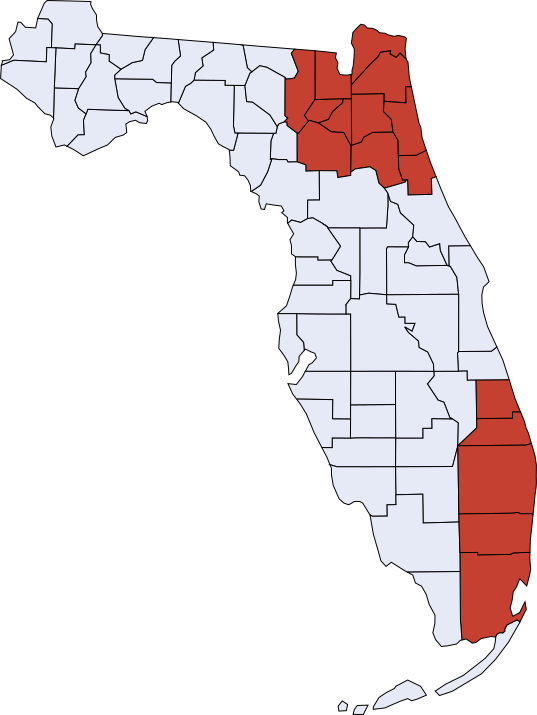
At Snyder Air Conditioning, Plumbing & Electric, we help homeowners across North and South Florida protect their plumbing systems from long-term damage caused by mineral-heavy water. Understanding the difference between hard water and soft water can help you avoid premature pipe wear, appliance failure, and expensive repairs.
Let’s break it down.
What Is Hard Water?
Hard water contains elevated levels of dissolved minerals — primarily:
- Calcium
- Magnesium
Florida’s water supply naturally contains these minerals due to limestone aquifers beneath the state.
While hard water is safe to drink, it can be tough on plumbing systems over time.
What Is Soft Water?
Soft water has had most calcium and magnesium removed, usually through a water softener system.
Softening works through a process called ion exchange, where:
- Hard minerals are replaced with sodium or potassium ions
- Scale buildup is reduced
- Soap and detergents work more effectively
Soft water is gentler on plumbing and fixtures.
Why Hard Water Is So Common in Florida
Florida’s geology plays a major role.
Much of the state’s water comes from the Floridan Aquifer — a limestone-based water source rich in calcium carbonate.
That means many homes in Jacksonville, Tallahassee, Orlando, and South Florida experience moderate to very hard water.
Over time, those minerals leave deposits inside your plumbing system.
How Hard Water Affects Your Plumbing System
1. Scale Buildup Inside Pipes
When hard water flows through pipes, minerals cling to interior surfaces.
Over time, this buildup:
- Narrows pipe diameter
- Reduces water pressure
- Restricts flow
- Increases strain on plumbing
Cause and effect:
Mineral buildup → reduced flow → higher pressure strain → increased risk of leaks.
Older homes with galvanized or copper piping are especially vulnerable.
2. Water Heater Damage
Water heaters suffer some of the worst hard water damage.
Minerals settle at the bottom of the tank and form sediment layers.
This leads to:
- Reduced heating efficiency
- Popping or rumbling noises
- Higher energy bills
- Shortened tank lifespan
In tankless systems, scale buildup can clog heat exchangers, causing performance issues.
Without maintenance, hard water can reduce water heater lifespan significantly.
If your water heater is making unusual noises or struggling to keep up, schedule an inspection with Snyder Air Conditioning, Plumbing & Electric today.
3. Fixture and Appliance Wear
Hard water damages:
- Showerheads
- Faucets
- Dishwasher components
- Washing machines
White crusty buildup around fixtures isn’t just cosmetic — it can clog internal components and restrict flow.
Appliances forced to work harder due to scale often fail earlier than expected.
4. Soap Inefficiency
Hard water reacts with soap to form “soap scum” instead of lather.
You may notice:
- Stiff laundry
- Spotty dishes
- Dry skin and hair
- Residue in tubs and sinks
This isn’t just inconvenient — it leads to higher detergent usage and added cost.
Signs You May Have Hard Water
Look for:
- White or chalky buildup on fixtures
- Reduced water pressure
- Frequent plumbing repairs
- Water heater inefficiency
- Spots on dishes after washing
- Soap that doesn’t lather easily
If multiple signs apply, hard water is likely contributing.
Does Soft Water Have Any Downsides?
Soft water is generally beneficial for plumbing systems, but homeowners sometimes ask about potential concerns.
Common questions include:
- Does soft water taste different?
- Is added sodium harmful?
- Can soft water affect irrigation?
In most residential systems, sodium levels are minimal and safe. For those concerned about drinking water, reverse osmosis filtration can provide additional purification.
How Water Softeners Protect Your Plumbing
Installing a water softener can:
- Prevent mineral buildup
- Extend pipe lifespan
- Improve water heater efficiency
- Protect appliances
- Improve soap performance
- Reduce plumbing repair frequency
For Florida homeowners, softeners often pay for themselves over time by preventing costly replacements.
A Realistic Florida Scenario
Consider this:
A homeowner in North Florida has lived in their home for 12 years. The water heater fails earlier than expected. Faucets clog regularly. Water pressure has slowly declined.
Inspection reveals heavy scale buildup inside pipes and the water heater tank.
A properly sized water softener installed years earlier could have reduced much of this damage.
Hard water damage is gradual — and often unnoticed until repairs are needed.
Maintenance Matters — Even With a Softener
Water softeners require:
- Salt refills
- Occasional system cleaning
- Periodic inspection
Without maintenance, the system can lose effectiveness.
Snyder offers professional installation and service to ensure your system operates efficiently.
Hard Water vs. Soft Water: Long-Term Cost Comparison
Without a Water Softener:
- Higher energy bills from inefficient water heaters
- More frequent appliance replacement
- Pipe scale removal costs
- Increased plumbing repairs
With a Water Softener:
- Lower maintenance costs
- Extended equipment lifespan
- Improved water efficiency
- Reduced detergent usage
Over 10–15 years, the savings can be substantial.
When Should You Consider Installing a Water Softener?
You may benefit from a system if:
- Your home is 5+ years old without treatment
- You’ve replaced a water heater prematurely
- Water pressure has declined
- Scale buildup is visible
- Plumbing repairs are becoming frequent
A water quality test can confirm mineral levels.
Not sure if hard water is damaging your plumbing? Call Snyder Air Conditioning, Plumbing & Electric for professional water testing and expert recommendations.
Additional Plumbing Protection Options
In addition to softeners, homeowners may consider:
- Whole-home water filtration systems
- Reverse osmosis drinking water systems
- Sediment filtration for well water
- Regular water heater flushing
Combining solutions offers maximum protection in mineral-heavy areas.
Frequently Asked Questions About Hard Water
Is hard water dangerous?
No — but it can damage plumbing over time.
Will a softener improve water pressure?
It can help prevent pressure loss caused by scale buildup.
How long do water softeners last?
Typically 10–15 years with proper maintenance.
Is professional installation necessary?
Yes. Proper sizing and setup ensure system effectiveness and code compliance.
Why Florida Homeowners Trust Snyder
Snyder Air Conditioning, Plumbing & Electric has served North and South Florida homeowners since 1973.
We understand:
- Florida’s mineral-rich water supply
- Plumbing system longevity challenges
- Water heater performance concerns
- Local building codes and water standards
Homeowners choose Snyder because we offer:
- Licensed and insured plumbing professionals
- Same-day service availability
- 24/7 emergency support
- 100% Satisfaction Guarantee
- Upfront, honest pricing
We don’t just fix plumbing problems — we help prevent them.
Protect Your Plumbing From Hard Water Damage
Hard water damage happens slowly — but the repair bills arrive all at once.
If you’re seeing signs of scale buildup or declining plumbing performance, now is the time to act.
Call Snyder Air Conditioning, Plumbing & Electric today to schedule water testing or water softener installation in North or South Florida.
Need plumbing help fast? Contact Snyder now — same-day service available.
At Snyder, we believe home comfort shouldn’t be complicated. Let our experienced Florida team protect your plumbing system for years to come.
At Snyder, we believe home comfort shouldn’t be complicated. Trust our experienced Florida team to keep your home warm when it matters most.