
Florida winters are mild — until they’re not.
In North Florida especially, temperatures can drop into the 30s or even below freezing overnight. Even parts of South Florida experience sudden cold fronts that leave homeowners scrambling to turn on heaters that haven’t run in months.
At Snyder Air Conditioning, Plumbing & Electric, we see the same pattern every year: the first real cold snap hits, and heating systems that sat idle all summer suddenly struggle — or fail entirely.
The good news? Most cold-weather breakdowns are preventable.
Let’s talk about what Florida homeowners commonly miss — and how to make sure your system is ready before temperatures drop.
Why Florida Heating Systems Are More Vulnerable
Unlike northern states where heaters run for months at a time, Florida systems:
- Sit unused for long stretches
- Collect dust and debris
- Experience humidity-related wear
- Rarely get tested before winter
When a sudden cold front arrives, your system may be starting up for the first time in 8–10 months.
That first startup is when hidden issues show up.
What Types of Heating Systems Are Common in Florida?
Most Florida homes use:
- Heat pumps (most common)
- Electric resistance heating
- Gas furnaces (more common in North Florida)
Each system responds differently to cold snaps.
Heat pumps, in particular, lose efficiency when outdoor temperatures drop quickly — especially if they haven’t been maintained.
What Homeowners Often Miss Before Cold Weather
1. Dirty Air Filters
This is the simplest issue — and one of the biggest.
A clogged filter restricts airflow, causing:
- Overheating
- Short cycling
- Reduced heat output
- Higher energy bills
Replacing the filter before winter is one of the easiest ways to prevent problems.
2. Thermostat Testing
Many homeowners switch from COOL to HEAT without testing the system first.
Before temperatures drop, set your thermostat to heat mode and let it run for 10–15 minutes.
Check for:
- Warm air from vents
- Unusual smells
- Loud noises
- System cycling on and off rapidly
If something seems off, don’t wait for freezing temperatures to schedule service.
Test your heater before the next cold snap — and call Snyder Air Conditioning, Plumbing & Electric if you notice anything unusual.
3. Heat Pump Defrost Mode Issues
During cold weather, heat pumps may enter defrost mode to prevent outdoor coil freezing.
If there’s a problem with:
- Sensors
- Control boards
- Refrigerant levels
The system may:
- Blow cool air intermittently
- Struggle to maintain temperature
- Run constantly
This is one of the most common winter complaints in North Florida.
4. Electrical Component Wear
Florida’s humidity and storm season can take a toll on electrical systems.
Heating components that may fail during startup include:
- Capacitors
- Relays
- Contactors
- Control boards
Power surges during hurricane season can weaken these components months before you ever switch to heat mode.
5. Neglected Ductwork
Leaky or poorly insulated ducts waste heated air — especially in attics.
In winter, attic temperatures drop significantly overnight. If ductwork has gaps or insulation issues, heat escapes before reaching your living space.
Signs include:
- Uneven room temperatures
- Cold bedrooms
- Weak airflow
Older Florida homes are especially prone to duct inefficiency.
A Realistic Cold Snap Scenario
Here’s what we often see:
A homeowner in Jacksonville hasn’t run their heat pump since March. In January, a cold front drops nighttime temperatures to 29°.
They turn the heat on at 9 p.m. The system runs loudly, cycles repeatedly, and struggles to maintain 68°.
By morning:
- Energy usage spikes
- The house feels unevenly heated
- The system is strained
Most of these issues could have been caught during a pre-season inspection.
How to Prepare Your Heating System for Florida Winter
Here’s a simple pre-winter checklist:
✔ Replace Air Filters
Improves airflow and efficiency immediately.
✔ Test the System Early
Don’t wait until the coldest night of the year.
✔ Clear Outdoor Units
Remove leaves and debris around heat pumps.
✔ Inspect Vents
Ensure registers are open and unobstructed.
✔ Schedule Professional Maintenance
A seasonal tune-up is the most reliable way to prevent failure.
What Happens During a Heating Tune-Up?
At Snyder, a heating maintenance visit typically includes:
- Full system inspection
- Electrical safety testing
- Refrigerant pressure check (heat pumps)
- Burner inspection (gas furnaces)
- Thermostat calibration
- Airflow testing
- Safety control verification
This step-by-step process ensures your system operates safely and efficiently during cold weather.
Why Cold Snaps Are Harder on Florida Systems
Florida heating systems aren’t built for sustained freezing temperatures.
When temperatures drop suddenly:
- Heat pumps must work harder to extract warmth from outdoor air
- Auxiliary heat may engage more frequently
- Electrical demand increases
- Run times extend
Without maintenance, these stressors can cause breakdowns quickly.
When to Call for Professional Help
Contact a professional if you notice:
- Heat running but air feels cool
- Burning or musty smells
- Frequent system cycling
- Loud startup noises
- System not reaching set temperature
Heating problems during cold weather often escalate quickly.
Don’t risk waking up to a cold house. Schedule heating service with Snyder Air Conditioning, Plumbing & Electric today.
Repair or Upgrade: What Makes Sense?
If your heating system:
- Is under 10–12 years old
- Has minor electrical or airflow issues
- Has been maintained regularly
Repair is usually sufficient.
If your system:
- Is over 15 years old
- Struggles every winter
- Has high energy bills
- Requires frequent repairs
Upgrading to a high-efficiency heat pump may reduce long-term costs.
Modern systems provide:
- Better cold-weather performance
- Improved humidity control
- Energy savings year-round
Our technicians provide honest guidance so you can make an informed decision.
Frequently Asked Questions About Florida Heating Systems
Do I really need heating maintenance in Florida?
Yes. Even limited use systems require inspection to operate safely.
Why does my heat smell dusty when first turned on?
Dust burns off components after long periods of inactivity. Persistent smells should be inspected.
Is it normal for heat pumps to run longer in cold weather?
Yes — but they should still reach your set temperature.
Should I lower my thermostat dramatically at night?
Large temperature swings can strain the system during cold snaps.
Why Florida Homeowners Trust Snyder
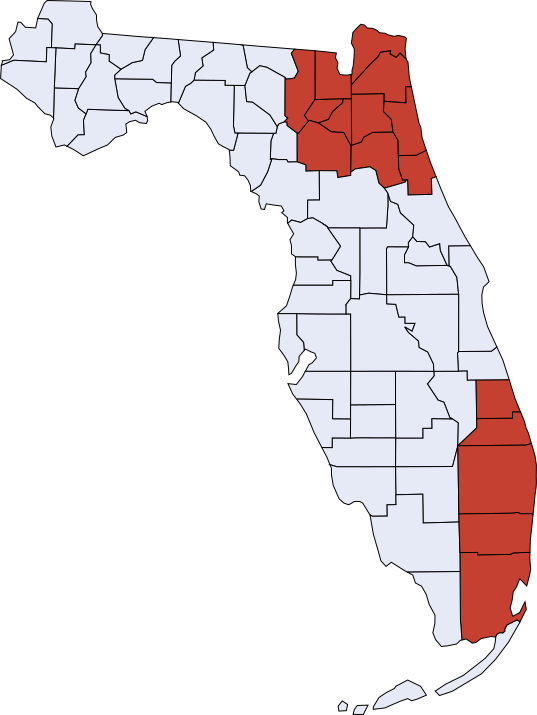
Snyder Air Conditioning, Plumbing & Electric has been serving North and South Florida since 1973.
We understand:
- Sudden cold fronts
- Heat pump performance challenges
- Storm-related electrical wear
- Florida building codes and safety standards
Homeowners choose Snyder because we offer:
- Licensed and insured technicians
- Same-day service availability
- 24/7 emergency support
- 100% Satisfaction Guarantee
- Upfront, honest pricing
We prepare your system before problems happen — not after.
Schedule Heating Service Before the Next Cold Front
Cold snaps may be brief in Florida, but they can expose hidden system issues quickly.
Don’t wait for freezing temperatures to discover your heater isn’t ready.
Call Snyder Air Conditioning, Plumbing & Electric today to schedule expert heating maintenance in North or South Florida.
Need fast help? Contact Snyder now — same-day service available.
At Snyder, we believe home comfort shouldn’t be complicated. Trust our experienced Florida team to keep your home warm when it matters most.