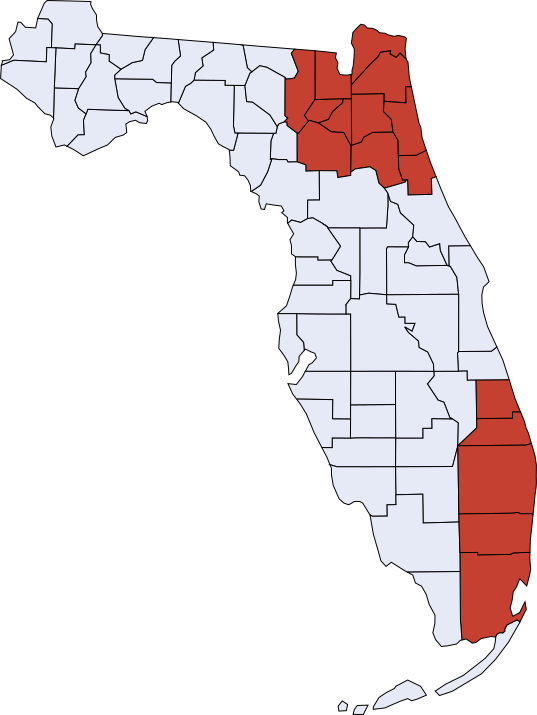

Florida may be known for heat and humidity, but when winter “cold snaps” roll through North and even parts of South Florida, homeowners rely on their heating systems more than they expect. So when your heater turns on, runs for a few minutes, shuts off, and then turns back on again — that’s not normal.
That issue is called short cycling, and it can quietly damage your system if left unaddressed.
At Snyder Air Conditioning, Plumbing & Electric, we help Florida homeowners diagnose and fix heating problems quickly — especially during sudden cold weather when systems are pushed harder than usual.
Let’s break down what short cycling means, why it happens, and what you should do about it.
What Is Short Cycling?
Short cycling happens when your heating system:
- Turns on
- Runs briefly (often under 5 minutes)
- Shuts off before reaching the set temperature
- Repeats the process frequently
Instead of completing a normal heating cycle, the system constantly starts and stops.
This isn’t just annoying — it’s hard on your equipment.
Why Is Short Cycling a Problem?
Every time your system starts, it draws a surge of power. Frequent starting and stopping causes:
- Excess wear on motors and components
- Increased energy consumption
- Reduced system lifespan
- Uneven indoor temperatures
In Florida homes, heating systems already sit idle for much of the year. When they’re suddenly needed during a cold snap, underlying issues can show up fast.
Common Causes of Heating Short Cycling in Florida Homes
1. Dirty Air Filter
This is the simplest — and most common — cause.
A clogged filter restricts airflow, which can cause:
- Overheating
- High-limit switch shutdown
- Rapid cycling
Cause and effect:
Restricted airflow → system overheats → safety switch trips → system shuts off prematurely.
If you haven’t replaced your filter recently, start there.
2. Thermostat Issues
A malfunctioning or poorly placed thermostat can send incorrect signals.
Problems include:
- Thermostat near a drafty window
- Installed too close to a vent
- Failing internal sensors
- Low batteries
If the thermostat misreads the room temperature, it may shut the system off too early.
Smart thermostat calibration can often resolve this issue.
3. Oversized Heating System
Oversized systems heat the space too quickly.
This sounds good — but it’s not.
When a unit produces more heat than the home needs:
- Temperature rises too fast
- Thermostat shuts system off
- Heat dissipates quickly
- System restarts
Frequent short cycles reduce efficiency and comfort.
Older Florida homes that have had system replacements without proper load calculations may experience this issue.
4. Dirty Flame Sensor (Gas Furnaces)
In North Florida, some homes use gas furnaces.
A dirty flame sensor can:
- Fail to detect a stable flame
- Shut down the system for safety
- Trigger repeated restart attempts
This is a common cause of short cycling during winter startup.
5. Refrigerant Issues in Heat Pumps
Many Florida homes rely on heat pumps rather than traditional furnaces.
If refrigerant levels are low:
- The system struggles to transfer heat
- Pressure imbalances occur
- The unit may shut down prematurely
Heat pumps are especially sensitive to airflow and refrigerant issues.
6. Electrical or Control Board Problems
Short cycling can stem from:
- Faulty relays
- Failing capacitors
- Wiring issues
- Control board malfunctions
Florida’s humidity and storm-related power surges can accelerate electrical wear over time.
What Happens If You Ignore Short Cycling?
Ignoring the problem can lead to:
- Compressor failure (in heat pumps)
- Cracked heat exchangers (in furnaces)
- Blower motor burnout
- Increased repair costs
- Complete system breakdown
Short cycling is rarely something that “fixes itself.”
If your heater keeps turning on and off, call Snyder Air Conditioning, Plumbing & Electric before minor strain becomes major damage.
A Florida Cold Snap Scenario
Here’s what often happens:
A Jacksonville homeowner hasn’t used their heater in months. Suddenly, temperatures drop into the 30s overnight.
The system kicks on — but dust buildup restricts airflow. The unit overheats and shuts down after three minutes. It restarts five minutes later.
By morning:
- The house feels unevenly heated
- Energy use spikes
- Internal components are stressed
This is when homeowners realize something isn’t right.
Preventive maintenance could have caught the issue earlier.
How Professionals Diagnose Short Cycling
When you schedule heating service, technicians typically:
- Inspect the air filter
- Check thermostat calibration
- Test airflow and duct pressure
- Measure refrigerant levels (heat pumps)
- Inspect safety switches
- Evaluate electrical components
- Perform system performance testing
This step-by-step approach identifies the root cause rather than guessing.
At Snyder, we believe in clear explanations and upfront pricing before any repair begins.
Can You Fix Short Cycling Yourself?
Homeowners can:
- Replace air filters
- Check thermostat batteries
- Ensure vents aren’t blocked
However, issues involving refrigerant, gas components, or electrical parts require licensed professionals.
Florida building codes and safety standards make professional service essential — especially for gas heating systems.
Repair or Replace: When Is It Time?
If your system:
- Is under 10 years old
- Has minor airflow issues
- Needs small electrical repairs
Repair is usually the right move.
If your system:
- Is 12–15+ years old
- Has recurring cycling problems
- Requires expensive component replacement
Replacement may be more cost-effective long-term.
Modern heat pumps are significantly more efficient than older models and provide better humidity control year-round.
Preventing Short Cycling Before It Starts
The best defense is routine seasonal maintenance.
Even in Florida — where heating use is limited — annual inspections help ensure your system is ready when temperatures drop.
A professional tune-up includes:
- Filter check
- Electrical inspection
- Refrigerant testing
- Safety switch verification
- System calibration
This small investment prevents large repairs later.
Is your heating system ready for the next cold snap? Schedule service with Snyder Air Conditioning, Plumbing & Electric today.
Frequently Asked Questions About Heating Short Cycling
Is short cycling dangerous?
It can be. Overheating components and electrical strain increase fire risk in severe cases.
Does short cycling increase my electric bill?
Yes. Frequent startup surges use more energy.
Can heat pumps short cycle too?
Absolutely. Refrigerant and airflow problems are common causes.
Is it okay if it only happens occasionally?
Occasional cycling during extreme weather can happen, but repeated short runs are a warning sign.
Why Florida Homeowners Trust Snyder
Snyder Air Conditioning, Plumbing & Electric has been serving North and South Florida homeowners since 1973.
We understand:
- Sudden Florida cold snaps
- Heat pump performance challenges
- Storm-related electrical strain
- Seasonal HVAC maintenance needs
Homeowners choose Snyder because we offer:
- Licensed and insured technicians
- Same-day service availability
- 24/7 emergency support
- 100% Satisfaction Guarantee
- Upfront, honest pricing
We don’t just fix heating systems — we protect your home’s comfort year-round.
Don’t Let Short Cycling Turn Into System Failure
Short cycling is your heating system’s way of signaling a problem.
Addressing it early protects your equipment, lowers energy costs, and keeps your family comfortable when temperatures drop.
Call Snyder Air Conditioning, Plumbing & Electric today to schedule expert heating service in North or South Florida.
Need fast help? Contact Snyder now — same-day service available.
At Snyder, we believe home comfort shouldn’t be complicated. Trust our experienced Florida team to keep your heating system running safely and efficiently.